



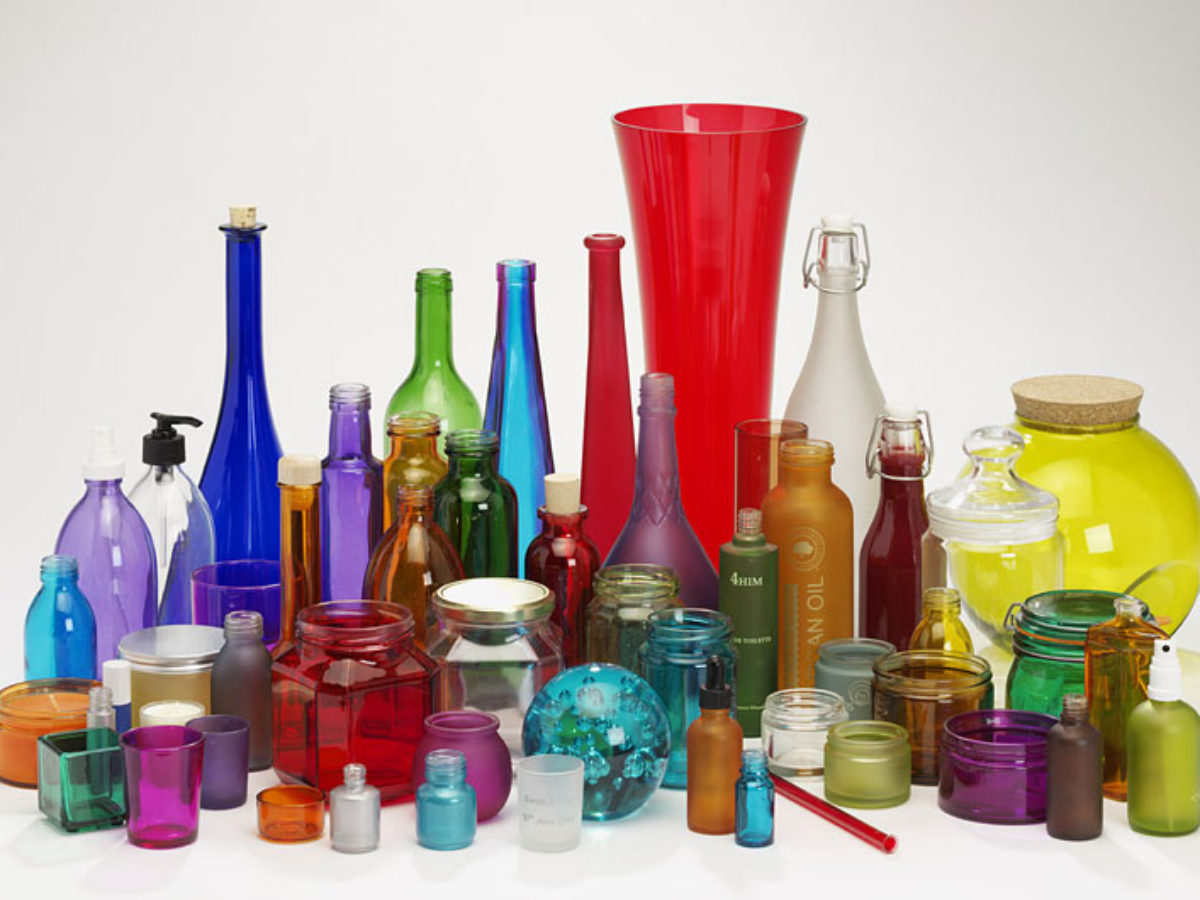
Glass and ceramics are very common products with which everyone is familiar in everyday life. They are amongst the most ancient materials made and used by man.
Glass, produced since 3600 BC, is used as bottle, window (float glass), solar panel, tableware, mirror, optical lenses (eye-glasses) and reaction vessels in chemistry and sometimes in the kitchen.
The earliest ceramics were pottery. During the last century new ceramic materials (technical ceramics) were developed by chemists for use in refractories, jet engine turbo blades, ceramic knives, ballistic armored vests, gas turbine engines, bio-ceramics such as dental implants or synthetic bones (prosthetics) and as a substrate for catalysts in the automotive industry. Ceramics are chemically resistant and can be used in wet environments.
CERAMICSWe know ceramics in construction for pipes, bricks, floor and roof tiles, in refractories for heat containment industries, and as whiteware for sanitaryware and porcelain, and as precisely engineered technical ceramics for electrical insulation amongst other high tech applications. Ceramic materials are made of oxides, non-oxides and composites derived from a range of minerals such as kaolin, ball clay, quartz, feldspar, bauxite, etc.
An example for an oxide ceramic is alumina (corundum, Al2O3), which is chemically very resistant and used in the form of crucibles. Another oxide is zirconia (ZrO2) that is made into balls and used in milling machines. A typical non‑oxide ceramic is silicon carbide (SiC), used in refractory materials, or ultrapure tungsten carbide (WC) for milling purposes.
Composites are a combination of oxides and non-oxides. A well known example is the carbon-ceramic (silicon carbide) composite disc brake. Sometimes two different oxides are combined (e.g. ZnO and Al2O3) to unite the properties from two materials. ZnO absorbs UV light and Al2O3 (corundum) can, owing to its hardness, avoid scratches when added to the lacquer during the lacquering process.
At AGE, we use X-Ray diffraction, X-Ray fluorescence and wet chemical methods for the full characterization of the mineralogical and chemical properties of technical ceramics. A physical characterization of ceramic parts is carried out at our ceramic laboratory.